Modular Design and Standardized Production of Electrical Components
As the power industry advances toward intelligence and efficiency, modular design and standardized production of electrical components have emerged as key technological pathways to enhance competitiveness. This approach revolutionizes traditional manufacturing processes, significantly reducing costs, shortening lead times, and improving device reliability and maintainability.
1. Core Advantages of Modular Design
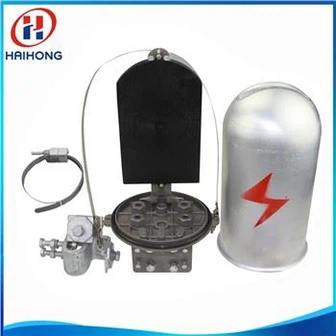
Modular design breaks down electrical components into functionally independent sub-units (e.g., wiring modules, insulation modules, cooling modules) that can be flexibly combined via standardized interfaces. This methodology drives three major transformations:
Rapid Customization
Precise Fault Localization
Faster Technology Iteration
2. Economic Benefits of Standardized Production
Standardized production, based on unified technical specifications (e.g., IEC/GB standards), enables mass manufacturing and consistent quality:
Cost Reduction: A transformer manufacturer reduced raw material procurement costs by 22% through standardized winding module production.
Quality Consistency: Standardized processes lowered defect rates in circuit breakers from 1.5% to 0.3%.
Simplified Supply Chains: Universal modules reduced inventory categories by 60% and cut delivery times to one-third of original levels.
3. Future Trends and Challenges
Despite clear advantages, challenges such as inconsistent industry standards and module compatibility remain. With digital twin technology, future "design-production-maintenance" modular collaboration could further transform power equipment manufacturing.
This shift not only reshapes electrical device production but also supports resilient grid development and carbon neutrality goals. Companies must integrate flexible manufacturing with standardization to lead the next wave of industrial innovation.